How to Budget for Children Without Losing Control of Household Finances
Learn how to manage child-related expenses while keeping household budgeting stable and realistic.
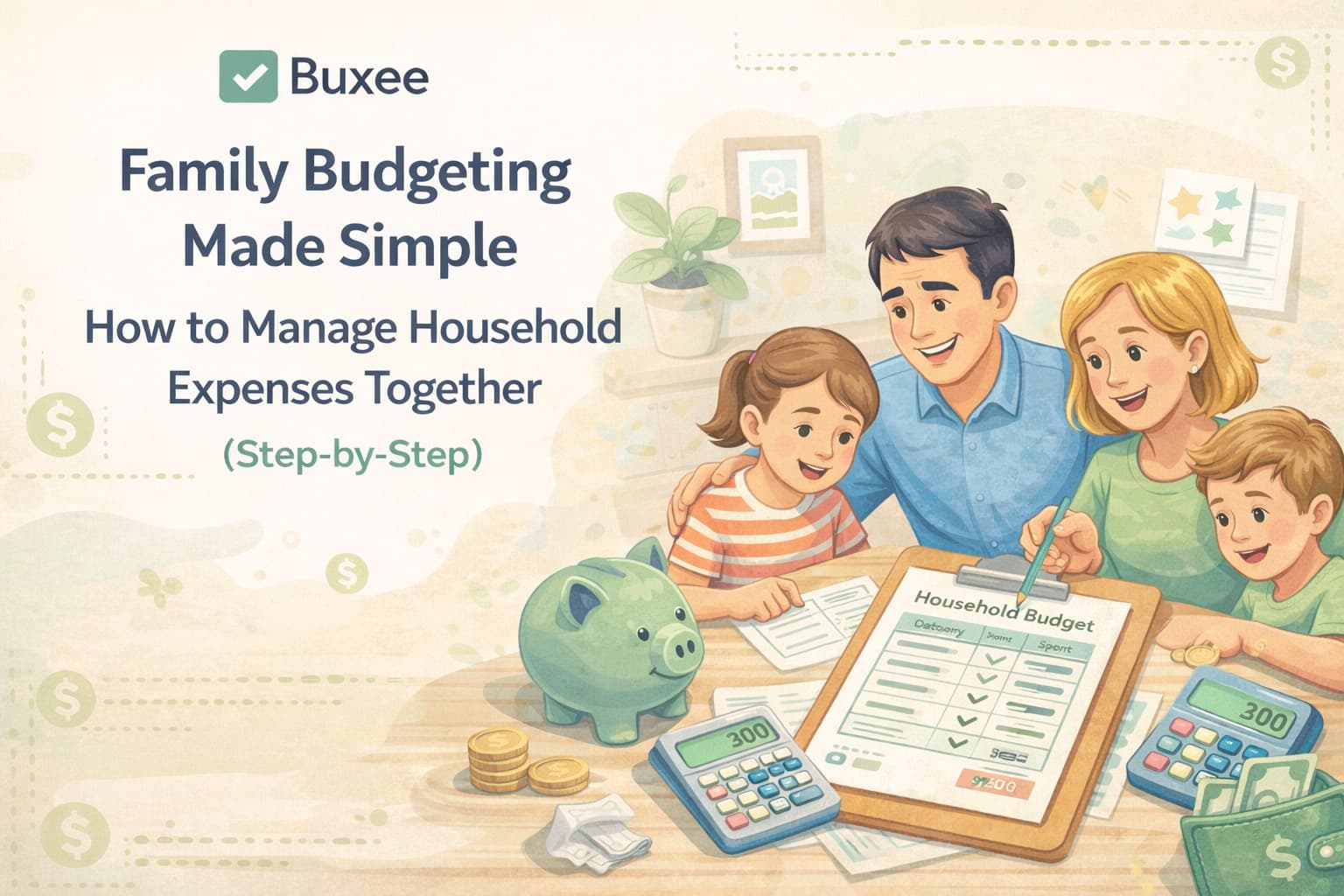
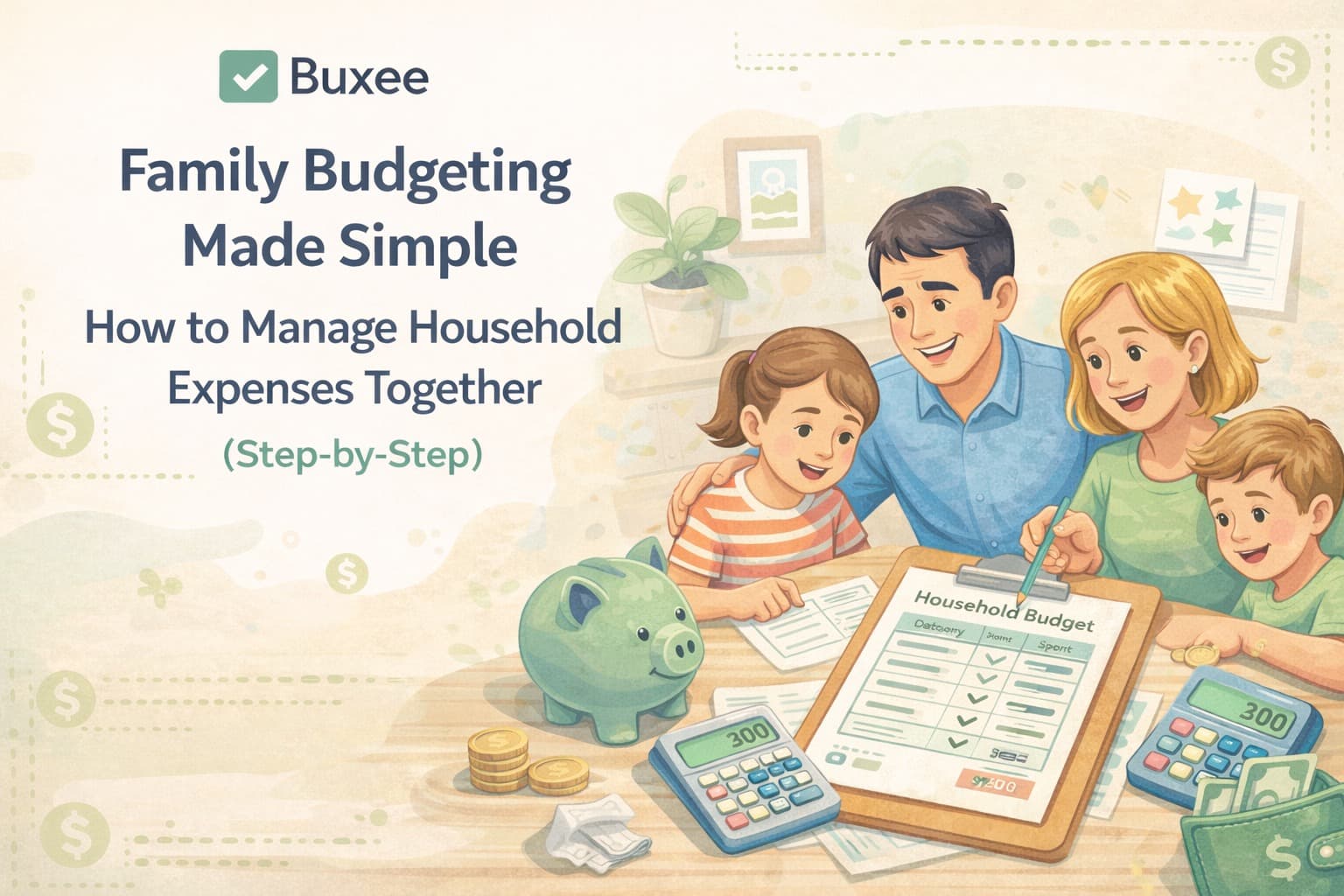
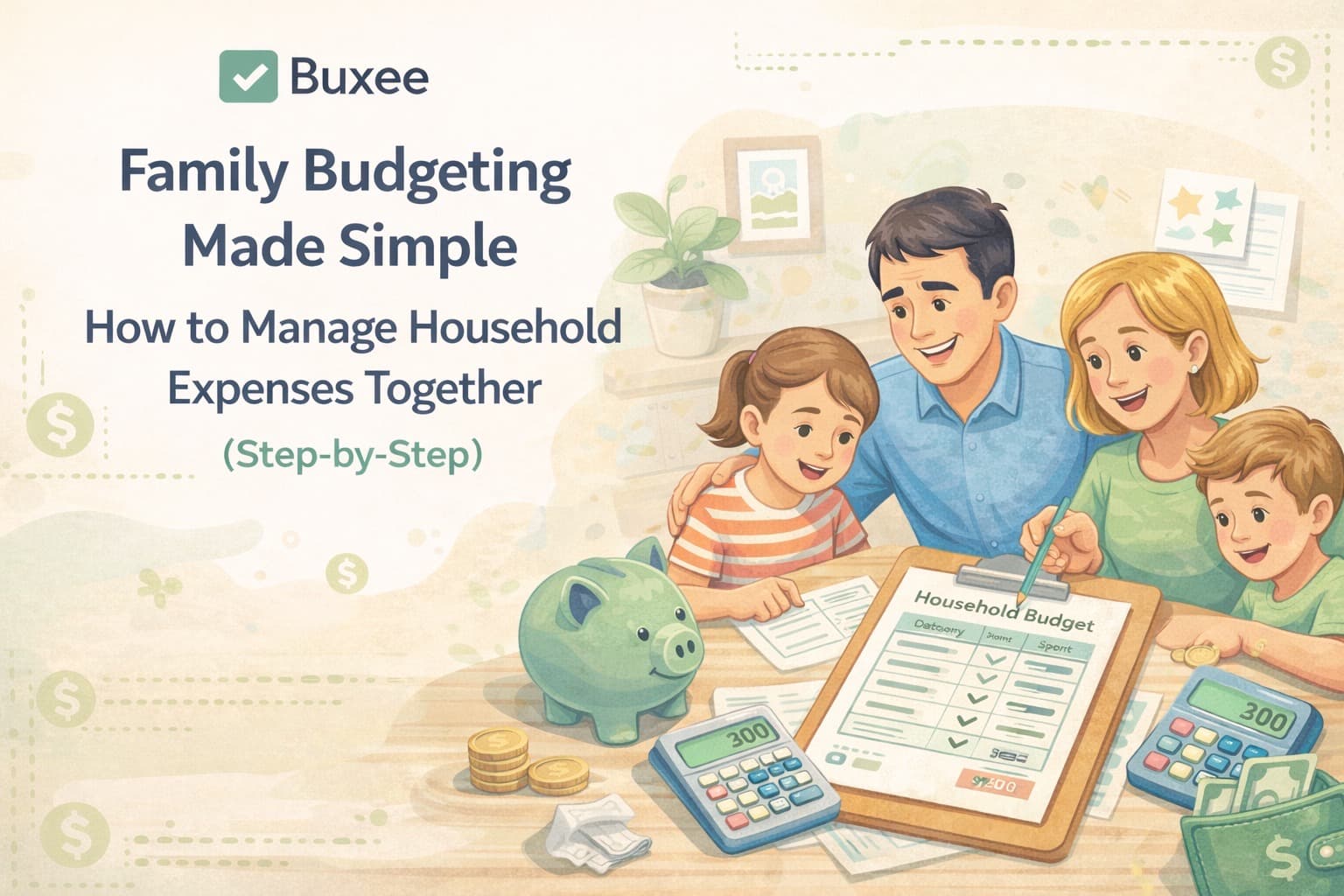
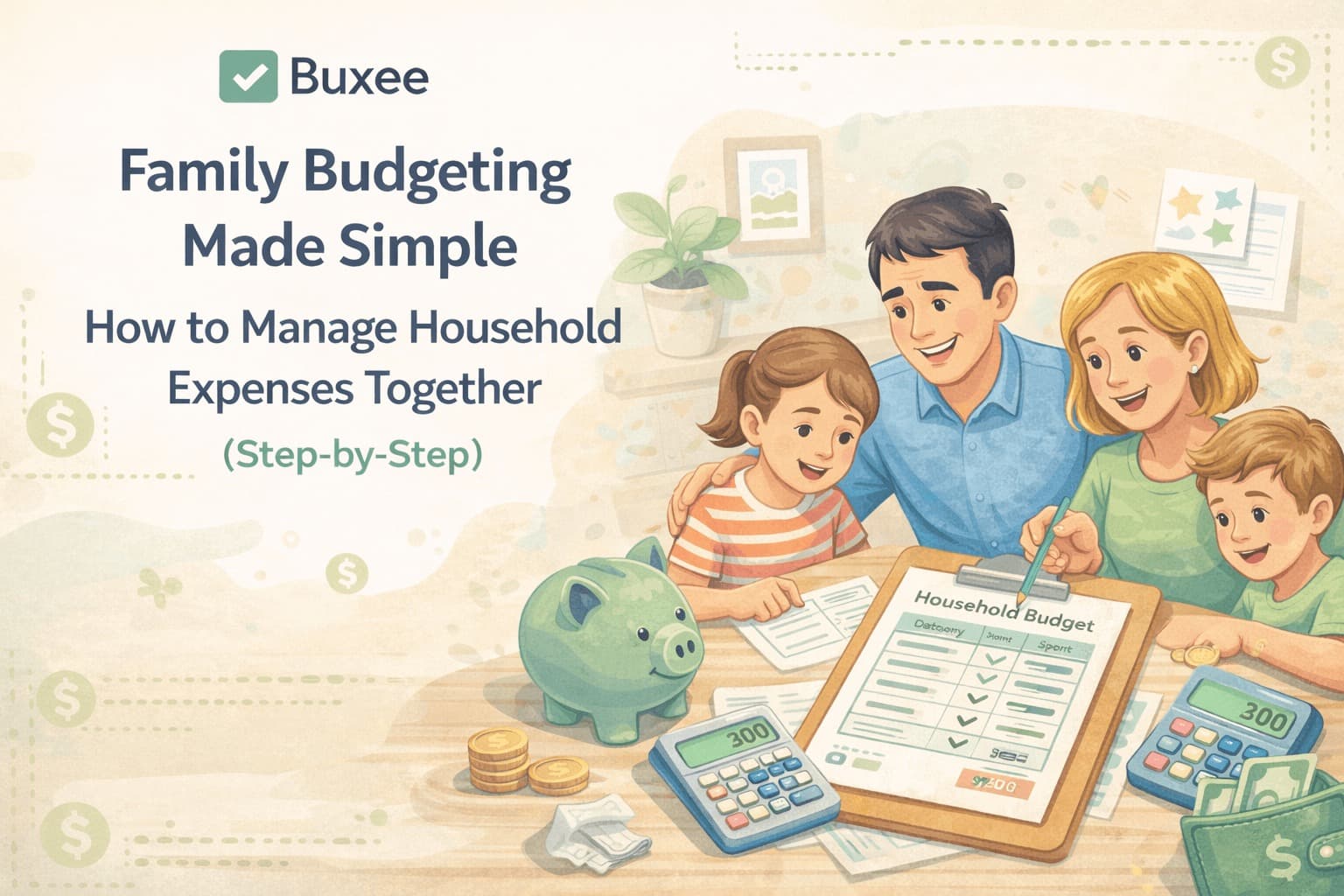
For many households, budgeting changes completely when children become part of daily financial planning. Expenses that once felt predictable begin to move differently. Monthly structure becomes less stable because costs are no longer limited to rent, utilities, groceries, and personal spending. New categories appear quietly and often faster than expected: childcare, clothing, medical needs, school-related expenses, transport adjustments, food changes, seasonal purchases, and small irregular costs that repeat often enough to become financially meaningful. What makes family budgeting difficult is not only that spending increases. It is that many child-related expenses arrive in patterns that are hard to predict with precision. A household may feel stable for several months and then suddenly face multiple new costs within a short period: a seasonal wardrobe change, nursery payments, medicine, transport equipment, educational materials, or social activities that were not part of earlier planning. This is why budgeting for children works best when the goal is flexibility rather than exact control. Children often introduce many costs that are predictable in principle but irregular in timing. To keep those costs aligned with wider household planning, How to Split Household Expenses Fairly Without Creating Tension offers practical ways to structure shared responsibilities. For communication between partners, How Couples Can Build a Budget Together Without Constant Financial Conflict adds an important next layer.
Child-Related Costs Are Often Small Individually but Heavy in Combination
One of the most common budgeting mistakes is underestimating how many small categories children create at the same time. A single purchase rarely feels financially important on its own. One new pair of shoes, one doctor visit, one school request, one extra grocery adjustment, one replacement item for home, one transport expense - none of these individually look disruptive. The difficulty appears because they rarely happen alone. When several small costs overlap within one month, the budget begins feeling unstable even though no single purchase explains the pressure fully. This is why families benefit from treating child-related spending as a dedicated category rather than absorbing it invisibly across unrelated parts of the budget. A visible category creates much stronger long-term awareness.
A Child Budget Category Should Include Irregular Spending, Not Only Fixed Costs
Many people initially build child budgeting around fixed monthly obligations: childcare fees, school fees, or recurring subscriptions. This captures only part of reality. In practice, irregular expenses often shape the category more strongly than fixed ones. Seasonal clothing, birthday-related spending, occasional medicines, transport changes, developmental needs, small household adjustments, and social activities often move the category more than predictable monthly costs. A stronger budgeting system accepts that this category will naturally fluctuate. Instead of aiming for perfect monthly equality, many families create a realistic average across several months. This helps remove the feeling that each irregular month means the budget has failed.
Household Stability Depends on Protecting Core Structure First
When child-related expenses rise unexpectedly, many households immediately reduce multiple other categories without first protecting the most important financial structure. A stronger approach begins with keeping fixed obligations stable. Housing, utilities, savings, debt commitments, and essential groceries should remain visible before reacting emotionally to temporary increases elsewhere. If savings disappear completely every time irregular child costs appear, long-term financial stability becomes dependent on perfectly calm months - and family life rarely offers many of those. This is why many strong household budgets protect a minimum savings line even during expensive periods. The amount may change temporarily, but the habit remains visible.
Family Budgets Work Better When Seasonal Pressure Is Expected Early
Certain child-related costs repeat every year even if they do not feel monthly. Clothing changes, school transitions, holiday periods, family travel, seasonal equipment, and activity-related costs usually appear in cycles. The strongest budgets do not treat these as surprises every time they return. They create space for them gradually. Even a small monthly reserve for irregular family spending often reduces pressure dramatically when larger months arrive. This is less about forecasting perfectly and more about accepting that family spending naturally moves in waves.
Separate Emotional Spending From Necessary Family Spending
Family budgeting often becomes difficult because emotional spending quietly mixes with practical spending. Parents naturally want convenience, comfort, and flexibility when daily routines are demanding. This is completely understandable, especially when time pressure increases. The difficulty is that emotional convenience can slowly create recurring financial habits that remain invisible because they feel justified in the moment. Food delivery, repeated small impulse purchases, duplicate household items, convenience spending during busy weeks - these usually matter more over time than large planned child expenses. A useful budget does not judge these decisions harshly. It simply makes them visible enough to understand their frequency. That awareness usually improves financial balance without creating unnecessary guilt.
Family Budgeting Needs Monthly Review More Than Perfect Daily Control
For households with children, strict daily tracking often becomes unrealistic very quickly. There are too many moving parts, too many irregular moments, and too many small decisions happening under time pressure. This is why monthly review often creates more useful financial control than daily precision. A short monthly review helps answer practical questions: Did child-related spending stay inside realistic range? Did irregular costs appear that should influence next month? Are seasonal patterns approaching? Does any category now need adjustment? This keeps budgeting practical rather than emotionally exhausting.
Stability Matters More Than Precision in Family Finance
A family budget rarely feels perfectly controlled every month. Children naturally introduce unpredictability because life around them changes constantly. Growth, health, education, social life, and household adaptation all influence spending in ways that cannot always be timed precisely. The goal of budgeting in family life is therefore not perfection. It is resilience. A financial system that stays calm during irregular months usually becomes far more valuable than one that only works when every category behaves ideally. That is what makes household budgeting sustainable over time.