Why Expense Tracking Fails for Most People (And How to Make It Sustainable)
Learn why most expense tracking systems fail and how to build a sustainable way to monitor spending.
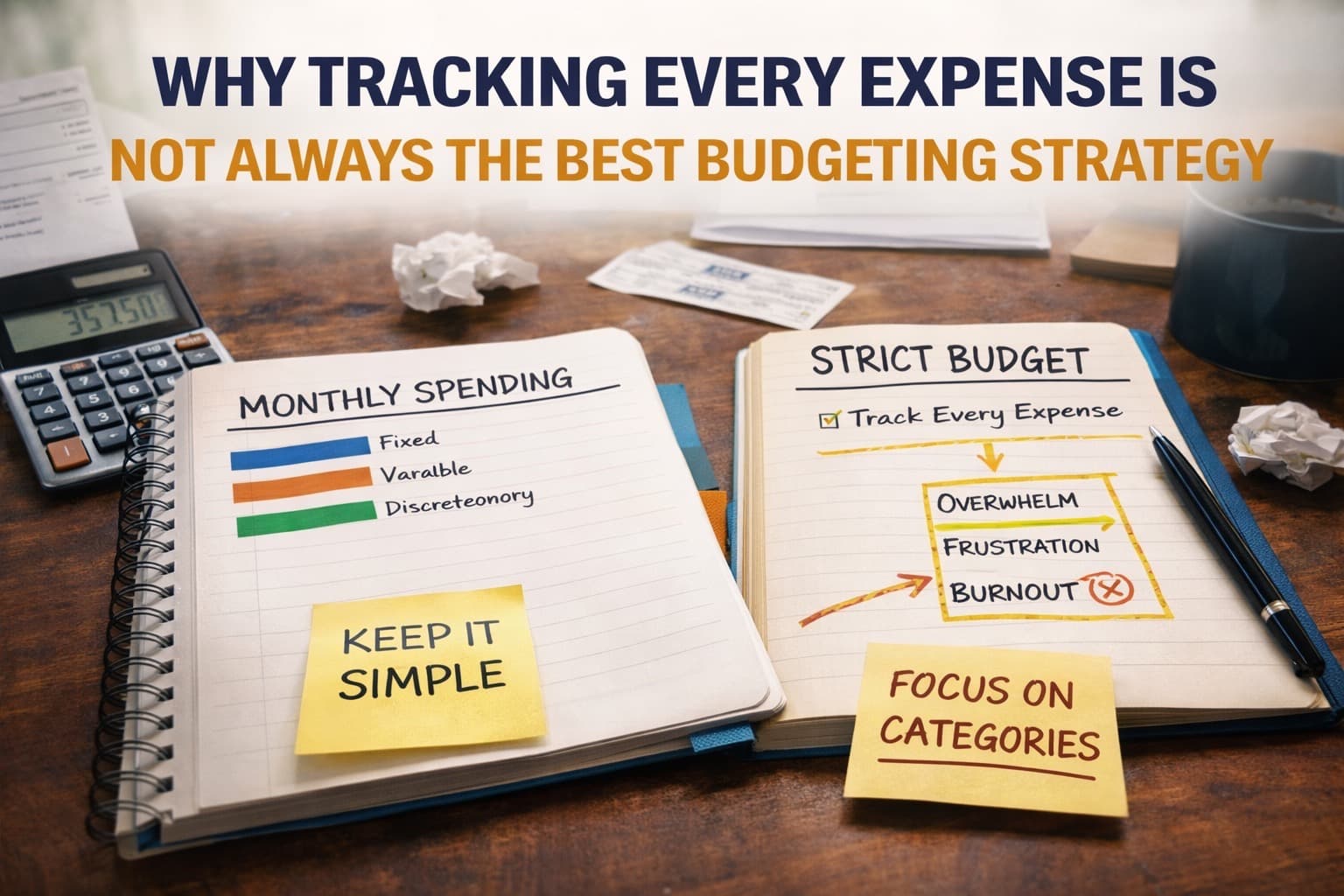
Expense tracking is often presented as a simple habit: write down what you spend, review the numbers, and improve decisions over time. In theory, the process sounds straightforward. In practice, many people stop within days or weeks, even when they genuinely want stronger control over their finances. The reason is rarely lack of discipline alone. Expense tracking usually fails because people begin with a level of detail that is difficult to maintain once ordinary life becomes busy again. A system that looks clear during setup can quickly become frustrating when every purchase starts demanding attention, classification, and constant review. For tracking to become useful long term, it has to reduce mental pressure rather than add another daily task that competes with work, family responsibilities, and ordinary routines. Tracking often fails when the system becomes too detailed too early. A more practical next step is understanding How to Categorize Expenses Correctly Without Creating Too Many Buckets, where category structure becomes easier to manage. Review frequency also matters, which is why Weekly vs Monthly Expense Review: Which One Helps You Stay in Control? can help refine the process further.
Most People Start With Too Much Precision
A common mistake is trying to record every transaction perfectly from the beginning. This often means assigning every coffee, grocery purchase, transport payment, online order, or small irregular expense into detailed categories immediately. While this looks disciplined at first, the process quickly becomes exhausting because daily life creates more financial movement than most people expect. After only a few days, missing one or two purchases creates a feeling that the entire system is already inaccurate. Once that happens, many people stop tracking completely because the method no longer feels useful. A stronger system accepts that early tracking should focus on visibility before precision. The goal is first to understand spending direction clearly enough to identify patterns. Fine detail can come later if needed.
Expense Tracking Fails When It Feels Like Constant Self-Correction
Many people unconsciously turn expense tracking into a form of daily judgment. Every recorded number begins to feel like proof of success or failure. Small purchases create guilt. Unexpected spending feels like evidence that discipline has already collapsed. This emotional pressure often destroys consistency faster than the numbers themselves. Tracking works better when the purpose remains neutral. A spending record is information, not criticism. If groceries cost more than expected, that may reflect inflation, family changes, seasonal needs, or unrealistic assumptions rather than financial failure. When tracking remains analytical rather than emotional, it becomes much easier to continue.
Categories Should Stay Simple Until Patterns Become Clear
Another reason tracking fails is excessive categorization too early. People often create many narrow categories immediately: transport, dining out, snacks, subscriptions, pharmacy, gifts, small household purchases, entertainment, irregular purchases, online shopping, and more. This usually creates unnecessary complexity before meaningful patterns even appear. Most people benefit more from broad early categories such as:
- Housing
- Food
- Transport
- Utilities
- Personal spending
- Irregular expenses
- Savings
Once several months of spending become visible, additional detail becomes easier to add only where necessary. A sustainable system grows gradually.
Daily Tracking Is Not Always Necessary
Many people believe expense tracking only works if updated every day. For some households, daily recording helps. For many others, daily tracking quickly becomes unrealistic. A weekly review often works better because it reduces interruption while still keeping spending visible enough to catch patterns early. Bank statements, card summaries, and digital payment records already provide much of the needed information. A weekly review often captures spending clearly enough without creating daily friction. The strongest system is the one a person can continue without feeling burdened.
Tracking Becomes Useful Only When It Leads to Decisions
Some people track spending consistently but still feel no improvement because nothing changes afterward. Numbers alone do not improve finances unless they influence decisions. The real purpose of tracking is identifying practical questions: Which category consistently exceeds expectations? Which irregular expenses repeat more often than assumed? Which spending areas feel emotionally invisible until reviewed? Where can predictability improve next month? Without these questions, tracking becomes record-keeping without financial progress.
Sustainability Matters More Than Perfect Accuracy
No expense tracking system captures every financial movement perfectly. Cash purchases, forgotten transactions, delayed charges, seasonal expenses, and unusual months always affect the picture. What matters more is whether the system still reflects financial reality closely enough to guide decisions. A slightly imperfect system maintained for one year creates far more value than a perfect system abandoned after two weeks. That is why sustainable tracking usually wins over highly detailed systems.