Wydatki stałe a zmienne: najprostszy sposób na uporządkowanie budżetu
Poznaj różnicę między wydatkami stałymi a zmiennymi, dowiedz się, dlaczego oba rodzaje są ważne w budżetowaniu, i jak uporządkować je przejrzyście, by lepiej planować finanse co miesiąc.
Autor: zespół Buxee
Jednym z najczęstszych powodów, dla których budżetowanie na początku wydaje się trudne, jest to, że wiele osób próbuje śledzić pieniądze, zanim zrozumie, jak różne wydatki zachowują się w ciągu miesiąca. Dochód zwykle pojawia się w przewidywalny sposób, ale wydatki rzadko tak działają. Niektóre płatności powtarzają się niemal dokładnie co miesiąc, podczas gdy inne zmieniają się nieustannie w zależności od codziennych decyzji, sezonowości, potrzeb gospodarstwa domowego czy nieoczekiwanych sytuacji.
Bez wyraźnego rozdzielenia tych dwóch rodzajów budżet często wydaje się bardziej mylący niż pomocny.
Dlatego właśnie zrozumienie różnicy między wydatkami stałymi a zmiennymi to jeden z najbardziej przydatnych pierwszych kroków w budowaniu systemu budżetowania miesięcznego, który naprawdę sprawdza się w życiu. Tworzy strukturę, dzięki której łatwiej interpretować wydatki, i pomaga wyjaśnić, dlaczego niektóre miesiące wydają się stabilne, a inne finansowo cięższe, nawet gdy dochód pozostaje bez zmian.
Wydatki stałe to zobowiązania finansowe, które zwykle pozostają stabilne
Wydatki stałe to koszty, które zwykle pozostają takie same z miesiąca na miesiąc lub zmieniają się tylko nieznacznie w dłuższej perspektywie. Są to zazwyczaj zobowiązania finansowe, które trzeba pokryć niezależnie od wyborów dotyczących stylu życia w danym miesiącu.
W większości gospodarstw domowych obejmuje to czynsz lub raty kredytu hipotecznego, ubezpieczenia, spłaty pożyczek, usługi subskrypcyjne, opłaty za szkołę, umowy internetowe oraz wiele zobowiązań związanych z mediami, które pozostają względnie przewidywalne.
Wydatki stałe mają w budżetowaniu tak duże znaczenie, ponieważ tworzą nienegocjowalną podstawę finansową. Zanim zaczną się decyzje uznaniowe, koszty te już definiują dużą część tego, co miesięczny dochód musi pokryć.
To również powód, dla którego ludzie często odczuwają presję, nawet gdy codzienne wydatki wydają się pod kontrolą. Jeśli zobowiązania stałe są już wysokie, elastyczna część budżetu naturalnie się kurczy.
Wyraźne zrozumienie tej podstawy to często pierwszy moment, w którym budżetowanie staje się realistyczne, a nie abstrakcyjne.
Wydatki zmienne zmieniają się wraz z codziennym życiem
Wydatki zmienne zachowują się inaczej, ponieważ nieustannie się wahają.
Zakupy spożywcze mogą w jednym tygodniu kosztować więcej niż w innym. Wydatki na paliwo zmieniają się w zależności od tras. Zakupy do domu pojawiają się nieregularnie. Wydatki osobiste, jedzenie poza domem, koszty apteki, wydatki związane z dziećmi i drobne praktyczne zakupy — wszystko to w naturalny sposób się waha.
Te kategorie często stanowią największe wyzwanie w budżetowaniu, ponieważ trudniej je precyzyjnie przewidzieć.
Ktoś może założyć, że zakupy spożywcze zmieszczą się w jednej kwocie, by potem odkryć, że jeden tydzień z gośćmi, sezonowe zmiany cen lub praktyczne potrzeby domowe wywracają wszystko do góry nogami.
Nie oznacza to, że budżetowanie się nie powiodło. Oznacza to, że wydatki zmienne z założenia wymagają elastyczności.
Częstym błędem jest traktowanie kategorii zmiennych tak, jakby miały zachowywać się z taką samą precyzją jak stałe. W rzeczywistości to właśnie ich naturalna zmienność sprawia, że trzeba je monitorować inaczej.
Dlaczego mieszanie obu rodzajów tworzy zamęt
Wiele pierwszych budżetów wymienia wszystkie wydatki razem, nie rozróżniając ich charakteru.
Na pierwszy rzut oka może to wyglądać na uporządkowane, ale później utrudnia interpretację.
Na przykład, jeśli jeden miesiąc wydaje się drogi, trudno ustalić, czy presja wzięła się z rosnących zobowiązań stałych, czy z chwilowych wydatków zmiennych. Bez rozdzielenia ludzie często obwiniają siebie za nadmierne wydatki, podczas gdy prawdziwy problem może po prostu polegać na tym, że koszty stałe pozostawiają zbyt mało elastyczności.
Rozdzielenie wydatków stałych i zmiennych natychmiast poprawia przejrzystość finansów.
Łatwiej wtedy odpowiedzieć na praktyczne pytania:
- Których kosztów nie da się obecnie łatwo zmienić?
- Które koszty można realistycznie skorygować w tym miesiącu?
- Które kategorie naturalnie potrzebują więcej miejsca, niż się spodziewano?
To rozróżnienie często usuwa niepotrzebną frustrację, ponieważ wyraźnie pokazuje, skąd naprawdę bierze się presja finansowa.
Wydatki stałe zwykle wymagają przeglądu rzadziej, ale bardziej strategicznie
Ponieważ wydatki stałe się powtarzają, wiele osób przestaje na nie patrzeć po dodaniu ich do budżetu.
A jednak z czasem zasługują one na strategiczny przegląd.
Subskrypcje, które nie przynoszą już wartości, umowy podpisane na starszych warunkach, polisy ubezpieczeniowe, usługi mobilne czy struktury kredytowe mogą po cichu pochłaniać więcej pieniędzy, niż to konieczne.
W przeciwieństwie do wydatków zmiennych, które są przeglądane co miesiąc niemal automatycznie, wydatki stałe często kryją się w tle przez długi czas.
Ich przegląd co kilka miesięcy może przynieść znaczące długoterminowe usprawnienia bez konieczności ciągłego, codziennego wysiłku.
W wielu przypadkach realne oszczędności wynikają nie tyle z ograniczania zakupu kawy, ile z poprawy regularnych zobowiązań, które trwają automatycznie.
Wydatki zmienne wyraźniej ujawniają zachowania
Jeśli wydatki stałe definiują strukturę finansową, to wydatki zmienne ujawniają nawyki finansowe.
Pokazują, gdzie rutyna najsilniej kształtuje wydatki.
Na przykład ktoś może sądzić, że koszty transportu są stabilne, dopóki dokładniej nie przyjrzy się zużyciu paliwa. Inna osoba może zakładać, że zakupy spożywcze są nieprzewidywalne, ale po kilku miesiącach okazuje się, że konkretne nawyki zakupowe konsekwentnie się powtarzają.
Kategorie zmienne to obszar, w którym budżetowanie staje się pouczające, ponieważ ujawniają wzorce trudne do zauważenia mimochodem.
Dlatego do tych wydatków nie należy podchodzić wyłącznie jak do liczb, lecz jak do wskaźników tego, jak codzienne życie wchodzi w interakcję z pieniędzmi.
Nie każdy wydatek zmienny trzeba agresywnie ograniczać
Częstym błędem na początku budżetowania jest zakładanie, że wydatki zmienne zawsze wymagają zaciskania.
W rzeczywistości niektóre kategorie zmienne są po prostu realistycznym odzwierciedleniem życia.
Zakupy spożywcze dla rodziny, transport do pracy, wydatki na zdrowie, potrzeby dzieci czy sezonowe koszty domowe mogą się wahać, ale pozostają niezbędne.
Celem nie jest wymuszanie obniżki całej zmienności.
Celem jest zrozumienie, jaki poziom wydaje się normalny, jaki poziom odzwierciedla sporadyczne skoki, a jaki poziom konsekwentnie zasługuje na uwagę.
To zrozumienie zwykle pojawia się dopiero po kilku miesiącach obserwacji.
Najprostszy sposób na uporządkowanie obu rodzajów w praktyce
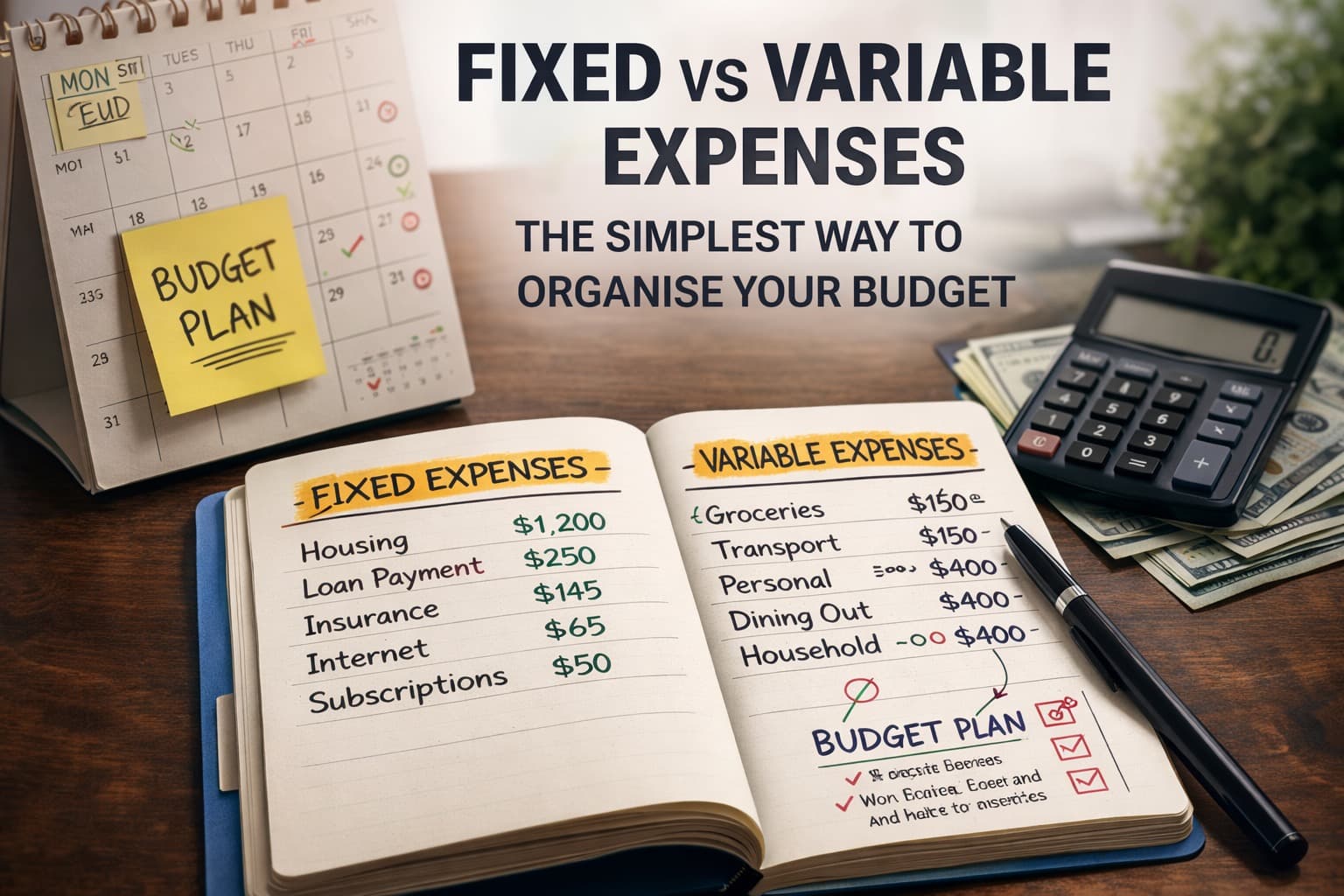
Praktyczny budżet miesięczny zwykle staje się łatwiejszy, gdy najpierw pogrupujemy wydatki stałe.
Tworzy to wyraźną podstawę pokazującą, jaka część dochodu jest już zaangażowana, zanim zaczną się elastyczne decyzje.
Następnie pod spodem można zbudować kategorie zmienne, pozostawiając miejsce na realistyczne wahania.
Takie podejście sprawia, że każdy miesiąc łatwiej przejrzeć, ponieważ zmiany stają się od razu widoczne.
Gdy pojawi się presja, łatwiej ustalić, czy problem wziął się z jednej nietypowej kategorii zmiennej, czy z ogólnej struktury finansowej.
Ta przejrzystość często sprawia, że budżetowanie staje się spokojniejsze.
Na koniec
Zrozumienie wydatków stałych i zmiennych to jeden z najprostszych sposobów, by uczynić budżetowanie bardziej przejrzystym. Wydatki stałe wyjaśniają zobowiązania finansowe, które definiują miesiąc, zanim się on zacznie. Wydatki zmienne wyjaśniają, jak codzienne życie kształtuje to, co dzieje się później.
Rozdzielenie wydatków stałych i zmiennych często staje się pierwszym krokiem ku budżetowi, który wydaje się możliwy do opanowania. Aby tę strukturę jeszcze wzmocnić, artykuł Miesięczne kategorie budżetowe wyjaśnione: niezbędne kategorie realistycznego budżetu pokazuje, jak kategorie powinny być faktycznie budowane. Jeśli po tym Twój system nadal trudno utrzymać, artykuł Dlaczego większość budżetów miesięcznych upada po 30 dniach (i jak temu zapobiec) wyjaśnia, dlaczego wiele budżetów słabnie po pierwszym miesiącu.